BVID Overview Packet (Draft to be refined)
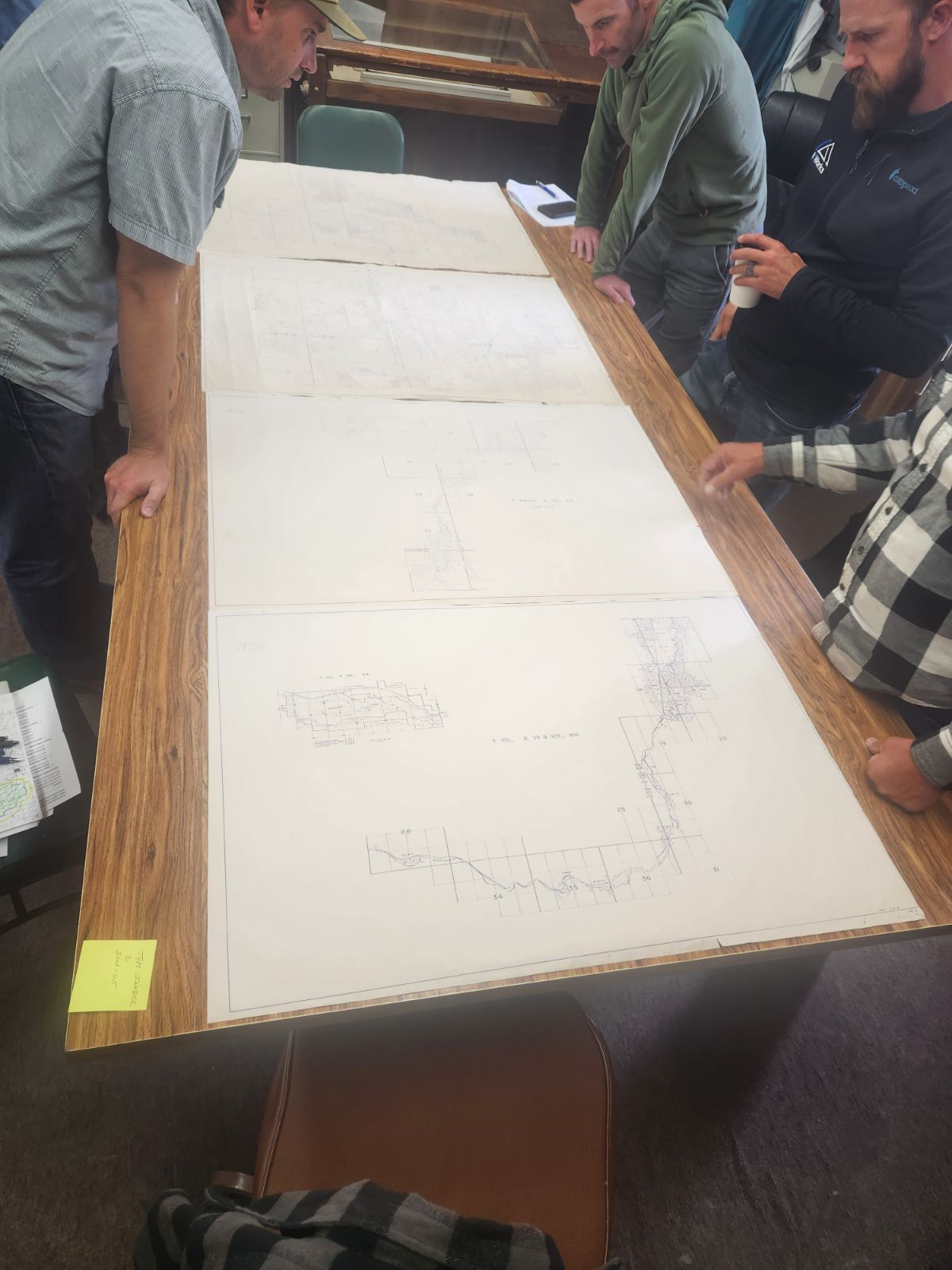
The Baker Valley Irrigation District hosted a productive and inspiring meeting with our potential project partners: Andrew Hedrick, Research Hydrologist with the USDA Agricultural Research Service Northwest Watershed Research Center, and Micah Johnson, Micah Sandusky, and Mark Robertson from a private company called M3 Works. This meeting marked an exciting step forward in our collaboration with USDA-ARS and M3 Works to improve how we manage water across the Baker Valley. Together, we’re exploring new ways to modernize operations, strengthen conservation, and support the people who keep our irrigation systems running.
One of the most meaningful parts of this partnership is how it brings together both national expertise and local heart. Micah Johnson, who was raised in Baker City, is especially excited to contribute to a project that helps his hometown. Through his work with M3 Works, he is helping model and design systems that could shape the future of water management right here in Baker Valley. Andrew Hedrick brings deep research experience and hydrologic modeling expertise, helping us use data to better understand and conserve our water systems. Alongside Micah Sandusky and Mark Robertson of M3 Works, this partnership blends practical engineering, data modeling, and local knowledge.
The Statement of Work developed between BVID, USDA-ARS, and M3 Works outlines three main goals. The first is to boost operational efficiency by securing funding to expand staff and provide training in digital systems and conservation practices. The second is to upgrade equipment and infrastructure by digitizing maps and asset records, and by replacing or rehabilitating pumps, pipes, and sensors to improve reliability and response. The third is to enhance conservation by using modern data tools to pinpoint and reduce water loss and improve efficiency through informed operational decisions.
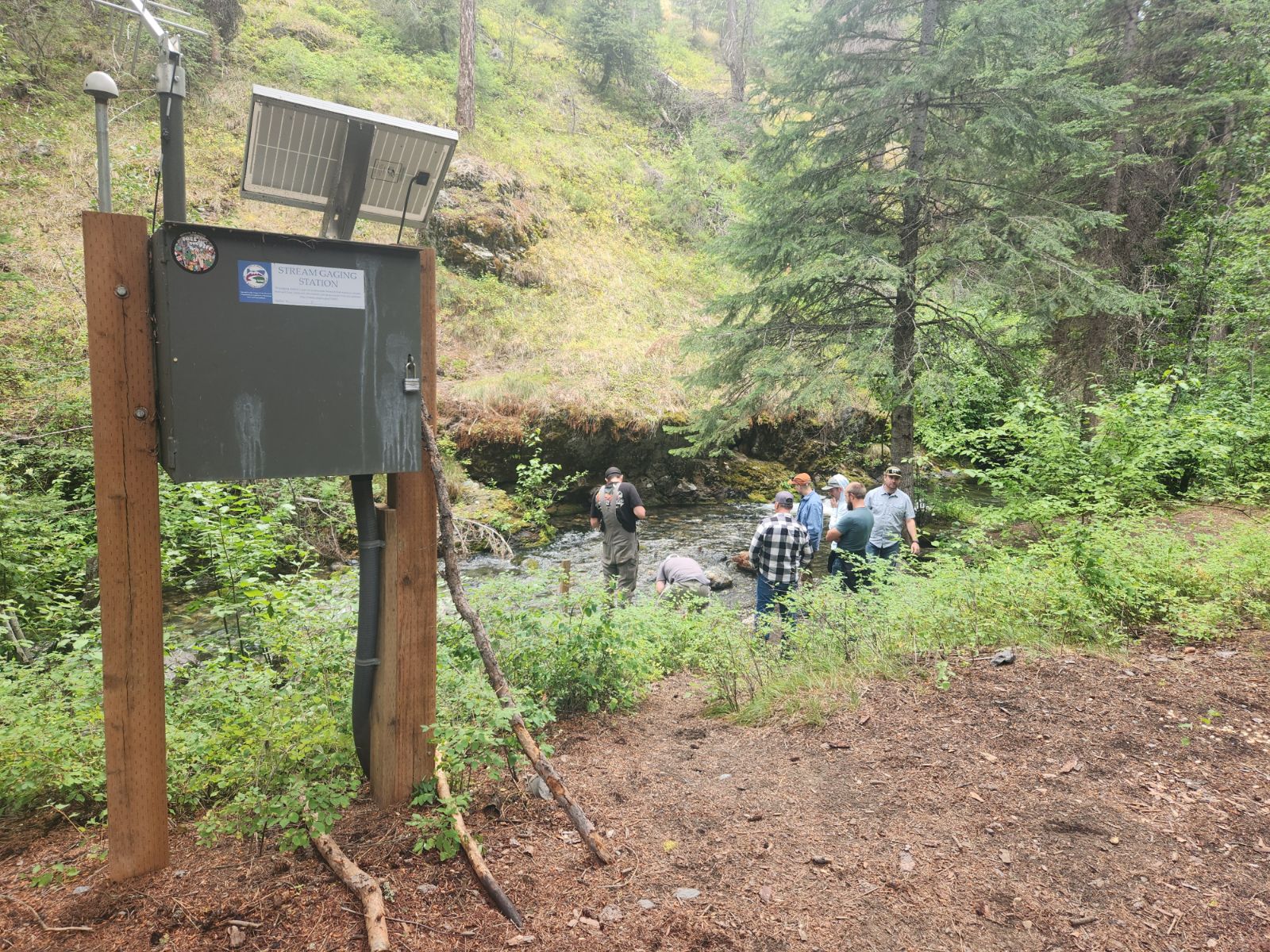
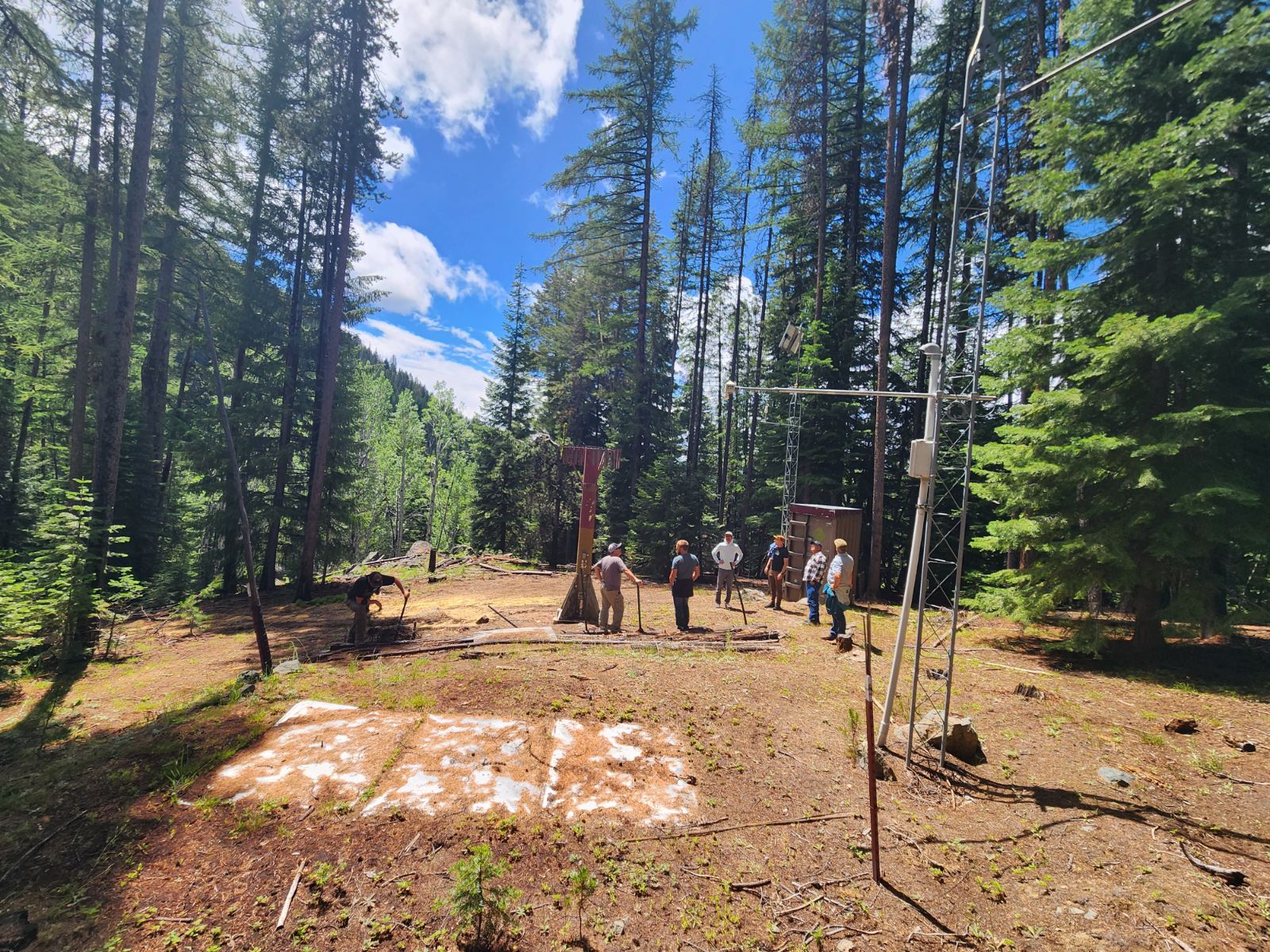
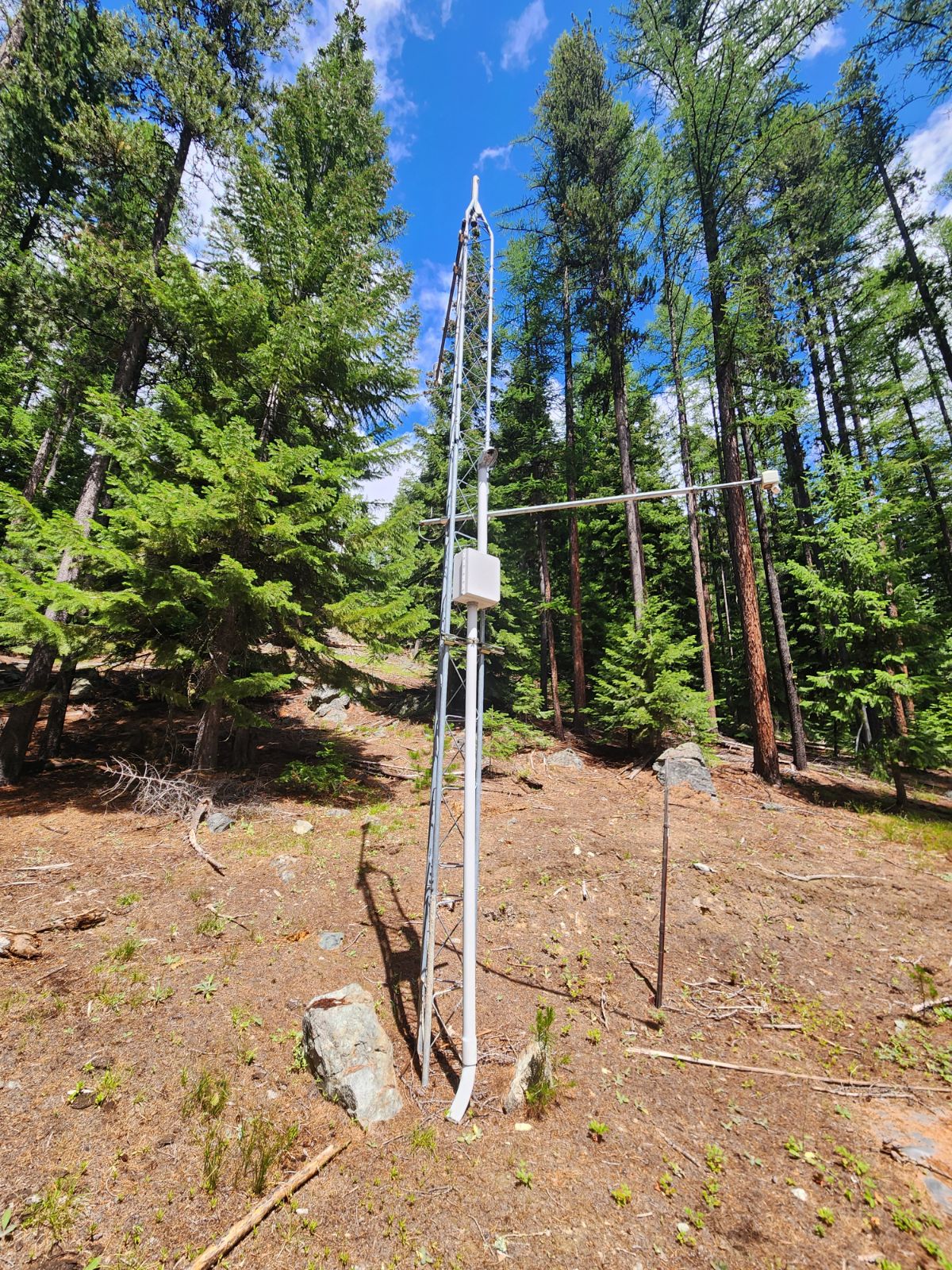
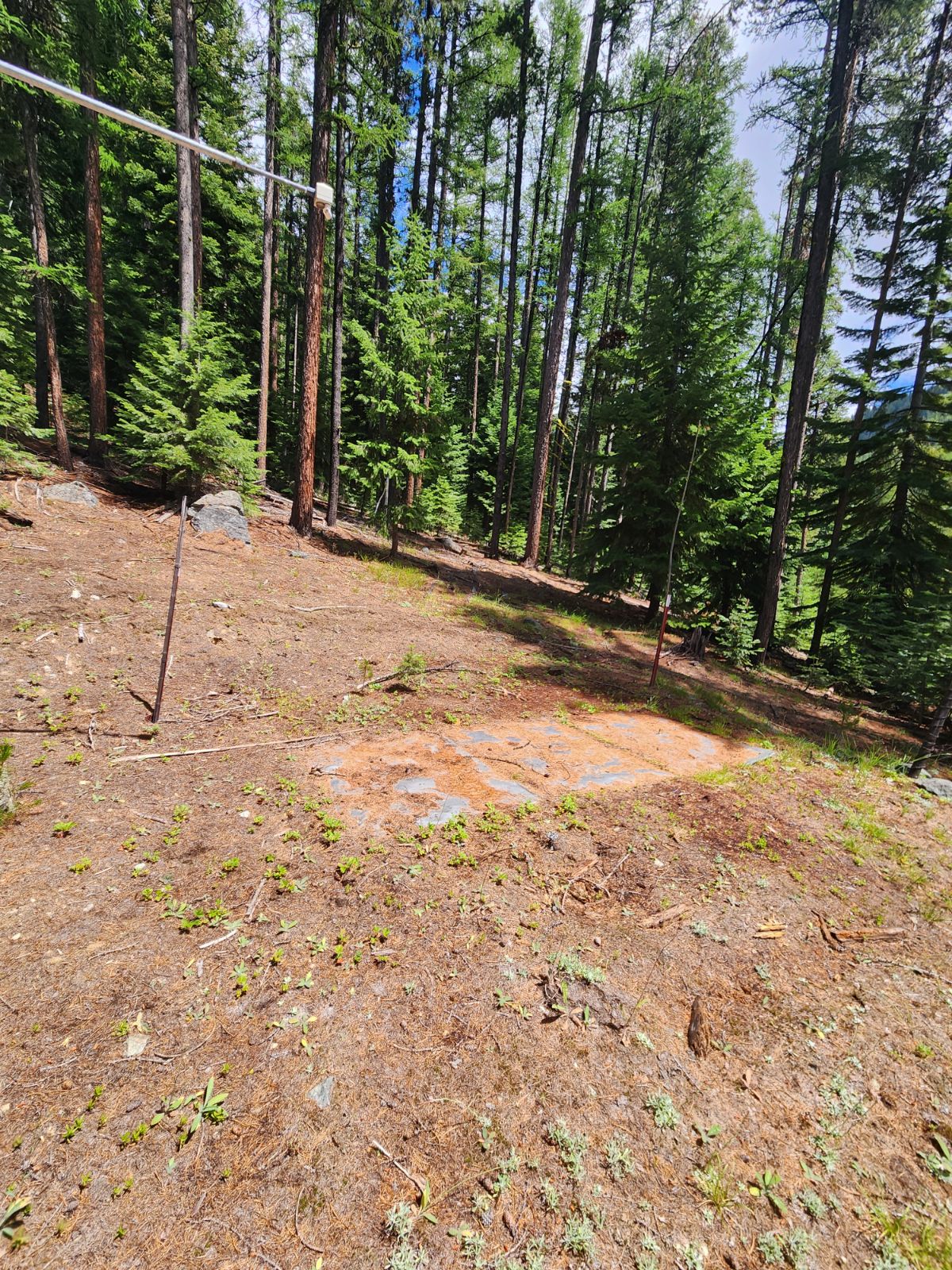
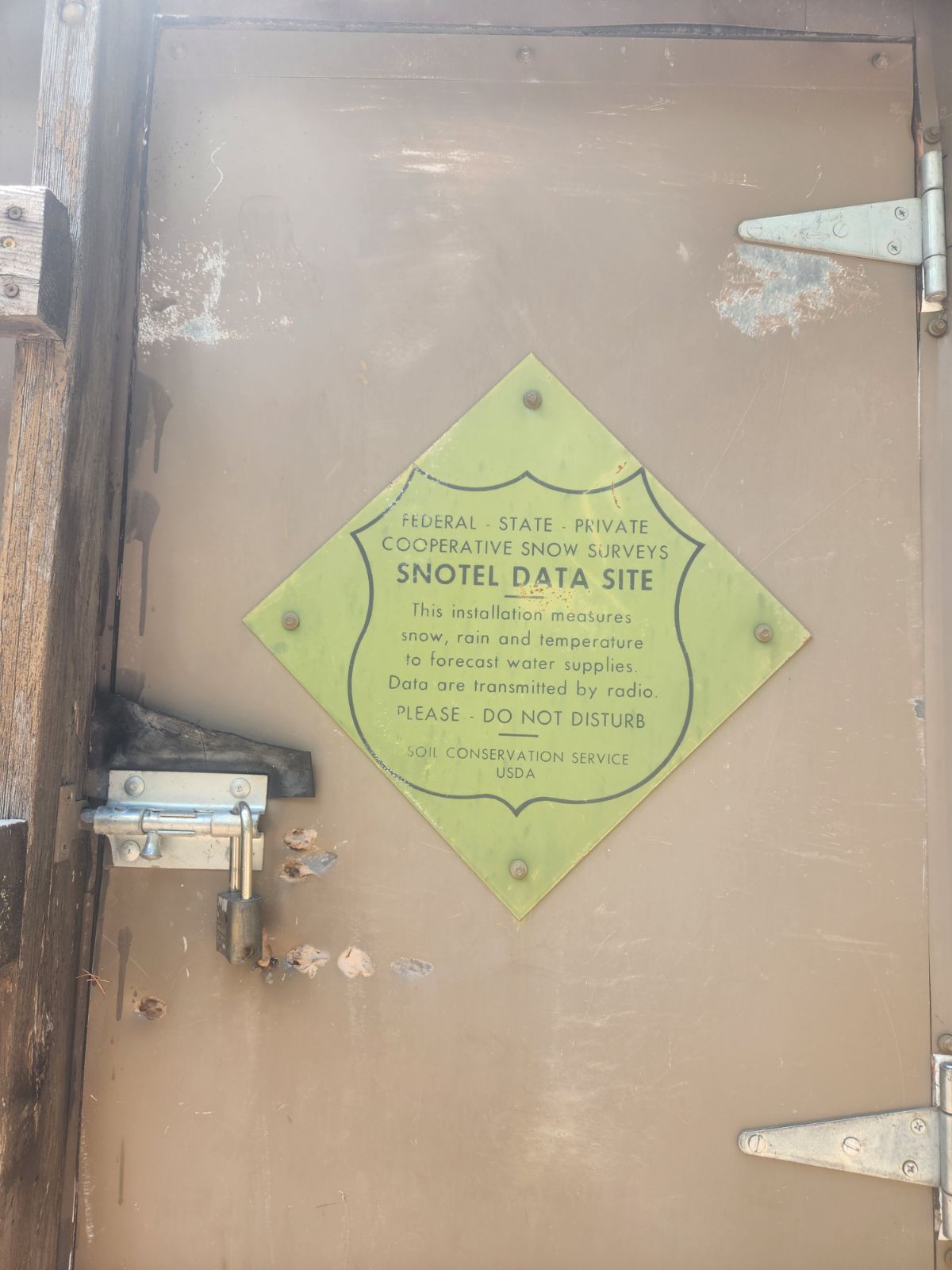
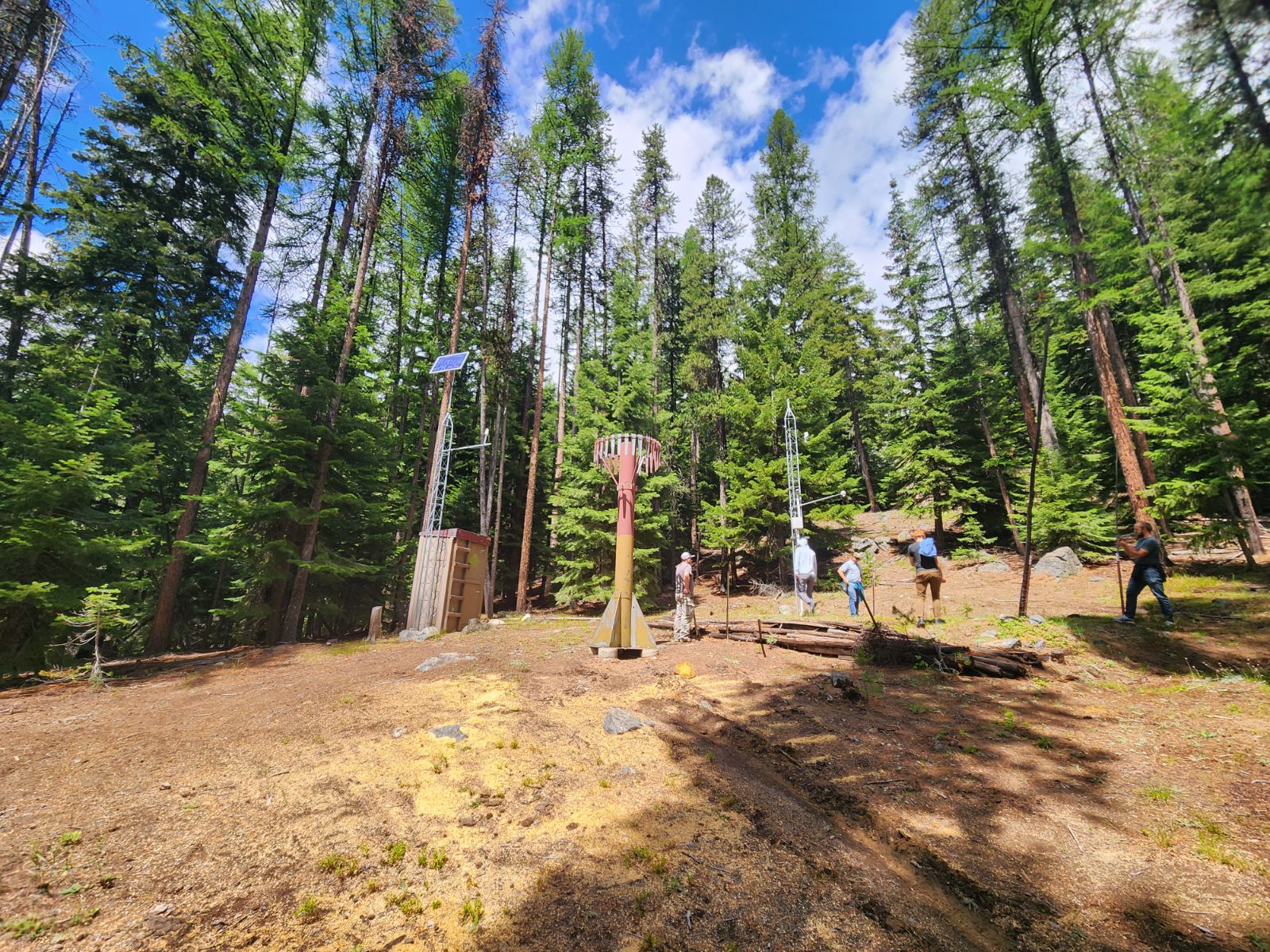
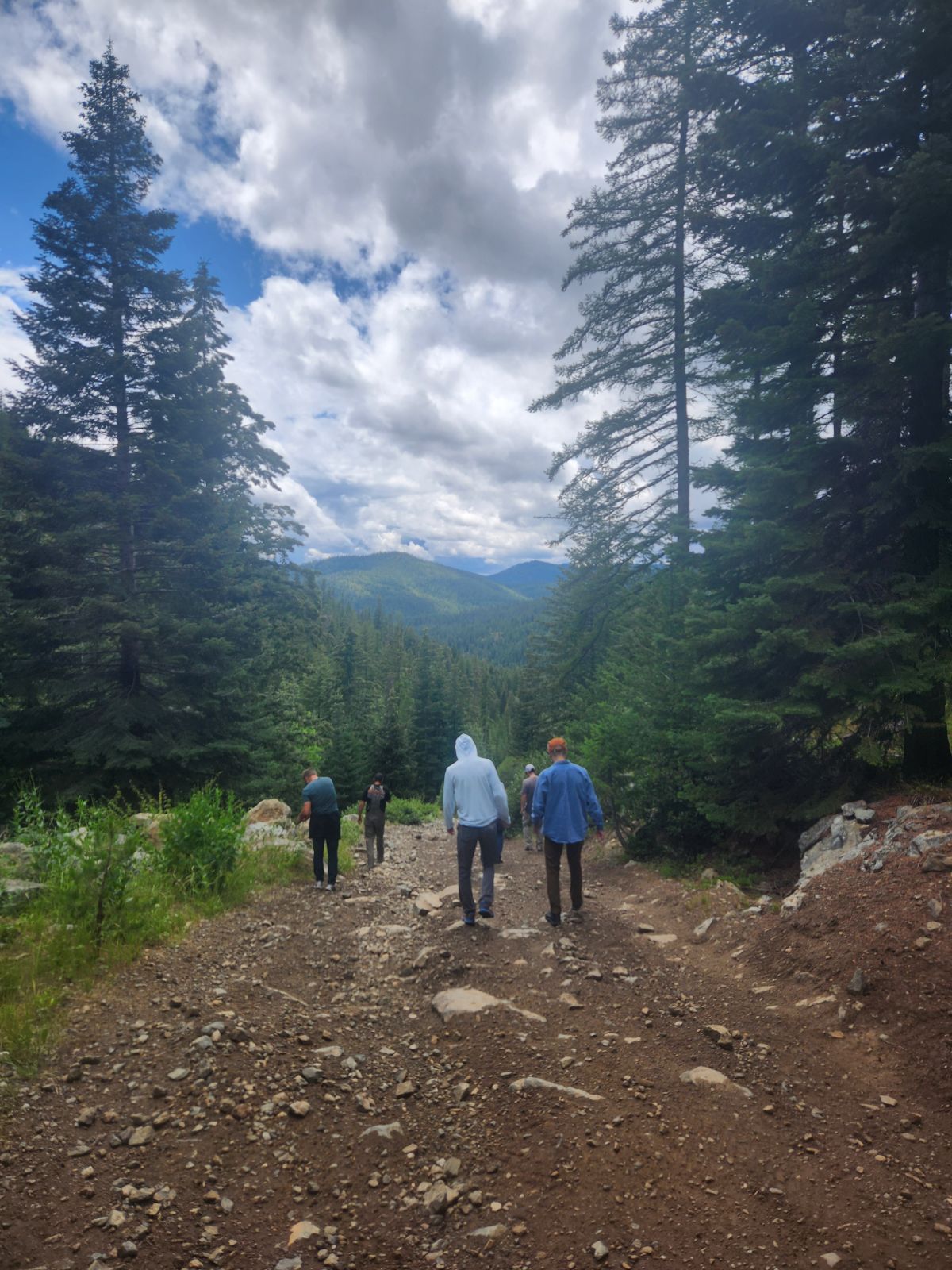
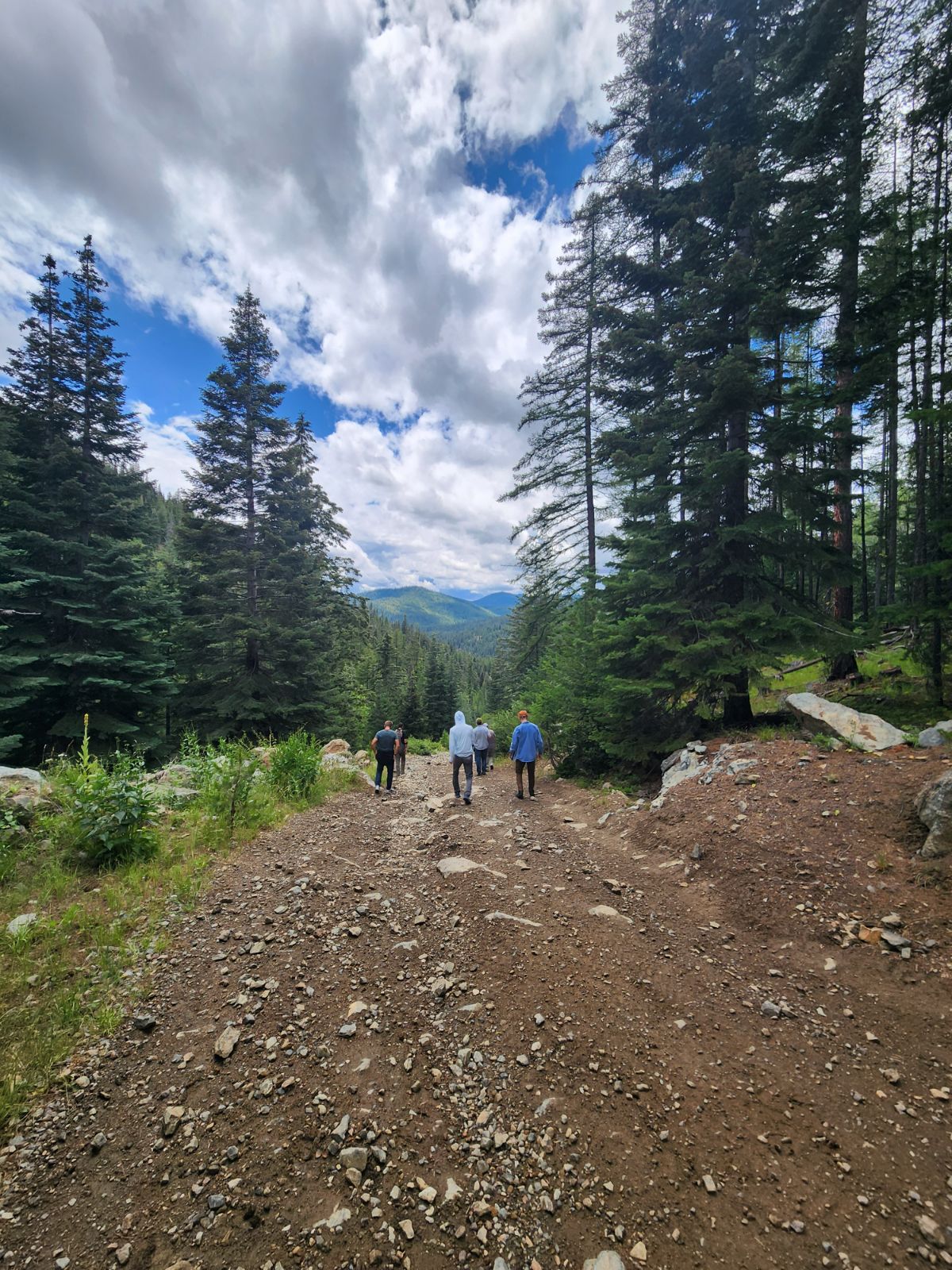
The site visit on July 21, 2025 toured key locations around the district, including the SNOTEL site in the Elkhorns, stream sensors above Phillips Lake, and the Mason Dam HydroMET station. The group will also compare current operations with nearby irrigation districts to learn what’s working elsewhere and how those systems might be adapted for Baker Valley.
We hope this collaboration represents more than technical upgrades. It’s a community-driven effort to ensure that our district can manage water safely and efficiently for generations to come. We are grateful to our partners for their expertise and enthusiasm to making this work a success. It’s not just about pipes and pumps — it’s about our people, our water, and locals leading local efforts.
– Elaine –